

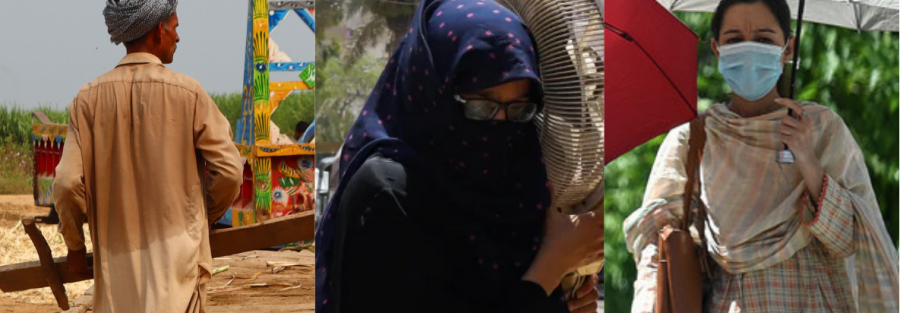
The Fabric of Climate Resilience: Rethinking Fashion for a Hotter Pakistan
As global temperatures continue to rise due to climate change, the South Asian region is experiencing more intense and frequent heatwaves. A spatial assessment study identified Pakistan among the vulnerable heatwave hotspots in South Asia, where escalating temperatures are already disrupting health and livelihood, particularly for people exposed to extreme heat. Research also predicts that extreme heatwave conditions and heat stress will become a common occurrence in Pakistan while socio-economic status, demography, and environmental conditions limit the populations adaptive capacity.
As extreme heat events become more intense and frequent, implementing heat adaptation strategies are essential to reduce health risks. While most measures are planned at institutional and community scales such as infrastructural engineering solutions, personal adaptation is equally important. Clothing serves as a direct, first line of protection allowing individuals to actively respond to climate stresses. Human societies have historically adapted their clothing tradition in response to local climate changes, for example, in the Arctic region garments made from fur and wool protect the body against extreme cold by providing essential insulation, ensuring well-being in harsh polar climate. Whereas population in the West Asia adopted loose fitting robes designed with layered fabrics and face veils serving protective functions against desert climate.
Similarly, historical evidence from South Asia shows that adaptation to extreme heat was embedded in everyday life long before modern climate adaptation concepts gained traction. Cooling practices were not limited to architectural solutions but were also practiced through textile material and clothing choices that directly influenced bodily comfort. Diaphanous cotton muslin (malmal), widely used during the Mughal period, was valued not only for its light weight but also for its capacity to absorb moisture as damp fabric interacts with airflow and enhances natural cooling. These textiles were associated with water and freshness, evident by their names like Shabnam (evening dew) and āb-i-ravān (flowing water), while tansukh was described as comforting to the body, reflecting a sensory approach to thermal comfort in eighteenth-century South Asia.
In Pakistan, traditional clothing represents indigenous adaptation aligned with local climate conditions. Hot plains of Sindh and Punjab rely on lightweight cotton-based garments such as dhotis, lungis, and turbans due to the fabric’s breathable nature. In contrast, colder regions like Khyber Pakhtunkhwa, Gilgit-Baltistan, and Kashmir depend on thick wool-based clothing such as shawls and coats. However, this traditional climate-adaptive approach is gradually being replaced by fast fashion, driven by affordability and diverse product variety. The circulation of trendy, synthetic clothes over social media reinforces the perception that clothing is disposable rather than durable, shifting consumer preference. This cycle of frequent purchasing and rapid disposal fuels the expansion of the fashion industry and its associated environmental impacts.
The fashion industry is linked to climate change through its energy intensive production, use of fossil fuel-based synthetic material, complex transportation across global supply chain, and disposal of large volume of clothing in landfills. In addition to its deteriorating environmental impacts, fast fashion recently also seems to affect clothing performance in warming climate, where fabric choice plays a critical role in regulating body temperature and maintaining comfort. Globally, Synthetic fiber particularly polyester, accounts for 57% of the total textile fiber production.
While, natural fibers, particularly cotton, provide thermal comfort in hot and humid climates due to their
breathability and moisture absorption properties, polyester fibers have lower moisture absorbency and
moisture vapor transmission which reduces wearer comfort.
Extreme summer temperatures in Pakistan increasingly exceed safe physiological limits. Clothing choices
significantly influence bodily comfort, heat regulation, and exposure to thermal stress. People’s experiences also relate to as much. ” I prefer lawn and cotton during hotter summers because they feel much cooler and more comfortable”, said Ayesha, a university student in Islamabad. A clothing vendor in Rawalpindi shared similar observation “As soon as the temperatures rise, customers start asking for lightweight lawn and cotton fabrics”. A domestic worker also shared she prefers cotton clothes in extreme heat because they feel cooler and more comfortable during long hours of outdoor and household work.
Yet, following global fast fashion’s rising influence Pakistan’s textile ecosystem is being dominated by
synthetic fiber use. Only 20% of produced fabric consists of pure cotton. Synthetic or blended materials
makes up the remainder of produced material. This dominance of blended and synthetic material across the value chain indicates a clear disconnect between market-driven clothing production and what is needed for thermally appropriate clothing in a warmer climate.
Intensifying heatwaves necessitate prioritizing thermal comfort gained through breathable and permeable natural fibers However, Pakistan’s current textile production landscape, influenced by fast fashion is embracing mass production and cost efficiency over climate adaptability. Rethinking fashion through a climate lens means designing clothing that is not only stylish and affordable and stylish, but also durable, breathable, and better suited to the country’s increasingly hot climate.

